Formula details
Product Details
Overview
What is a Small CNC Press Brake?
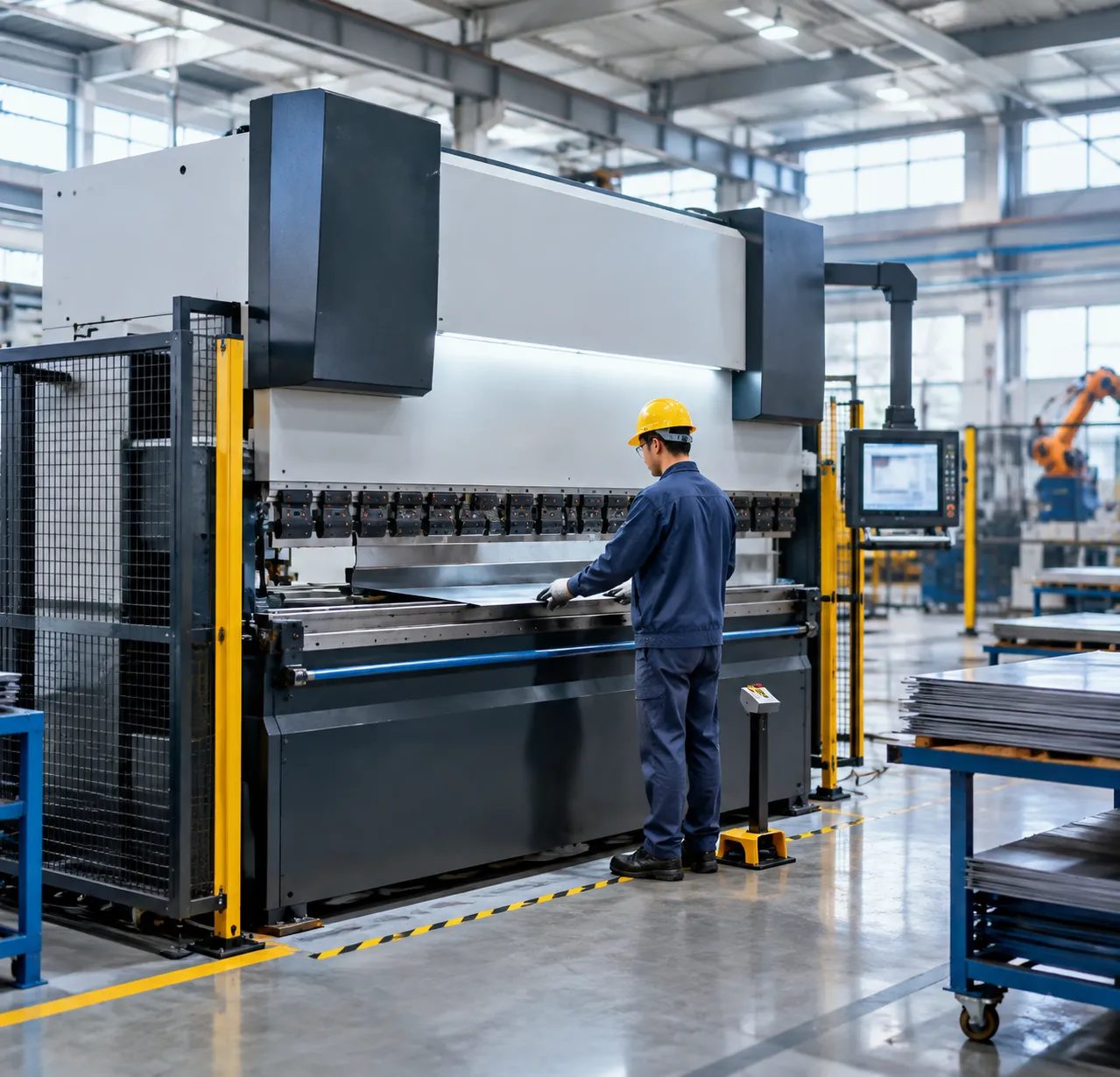
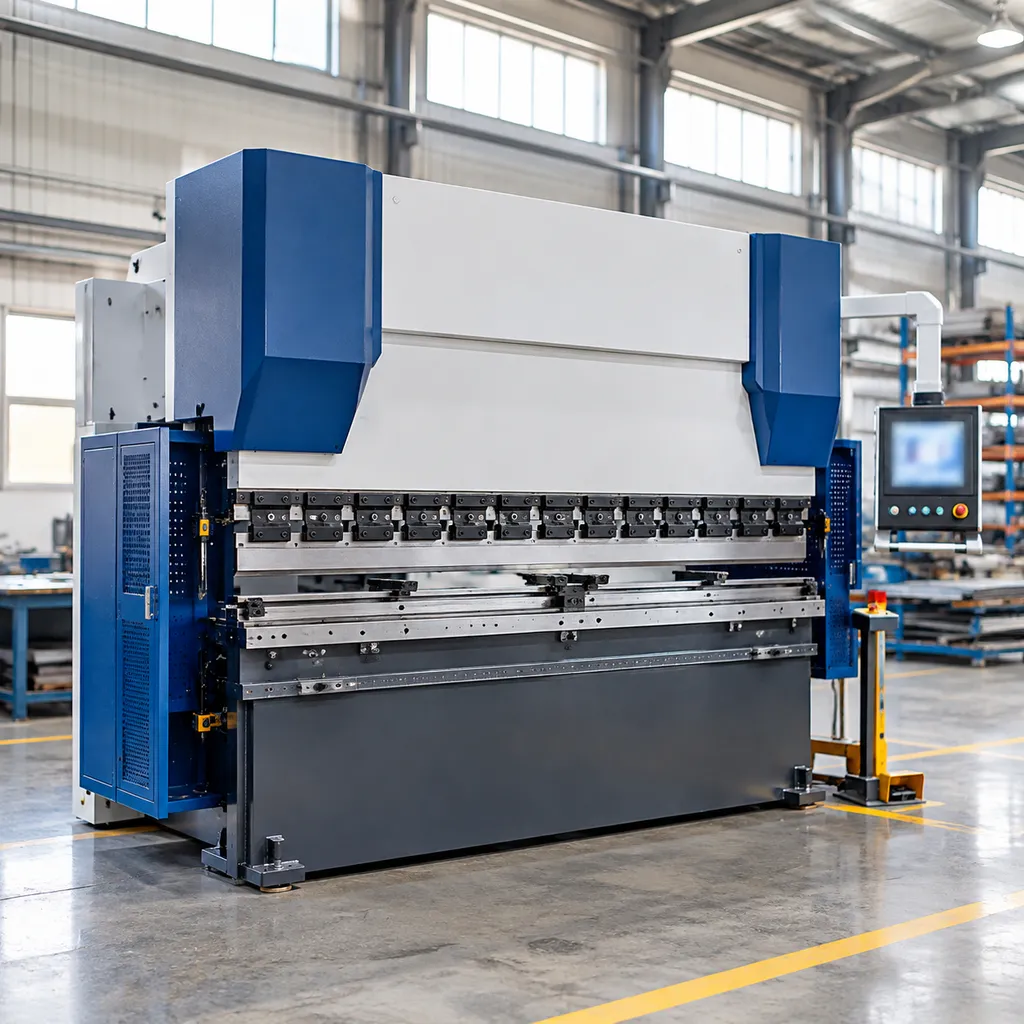
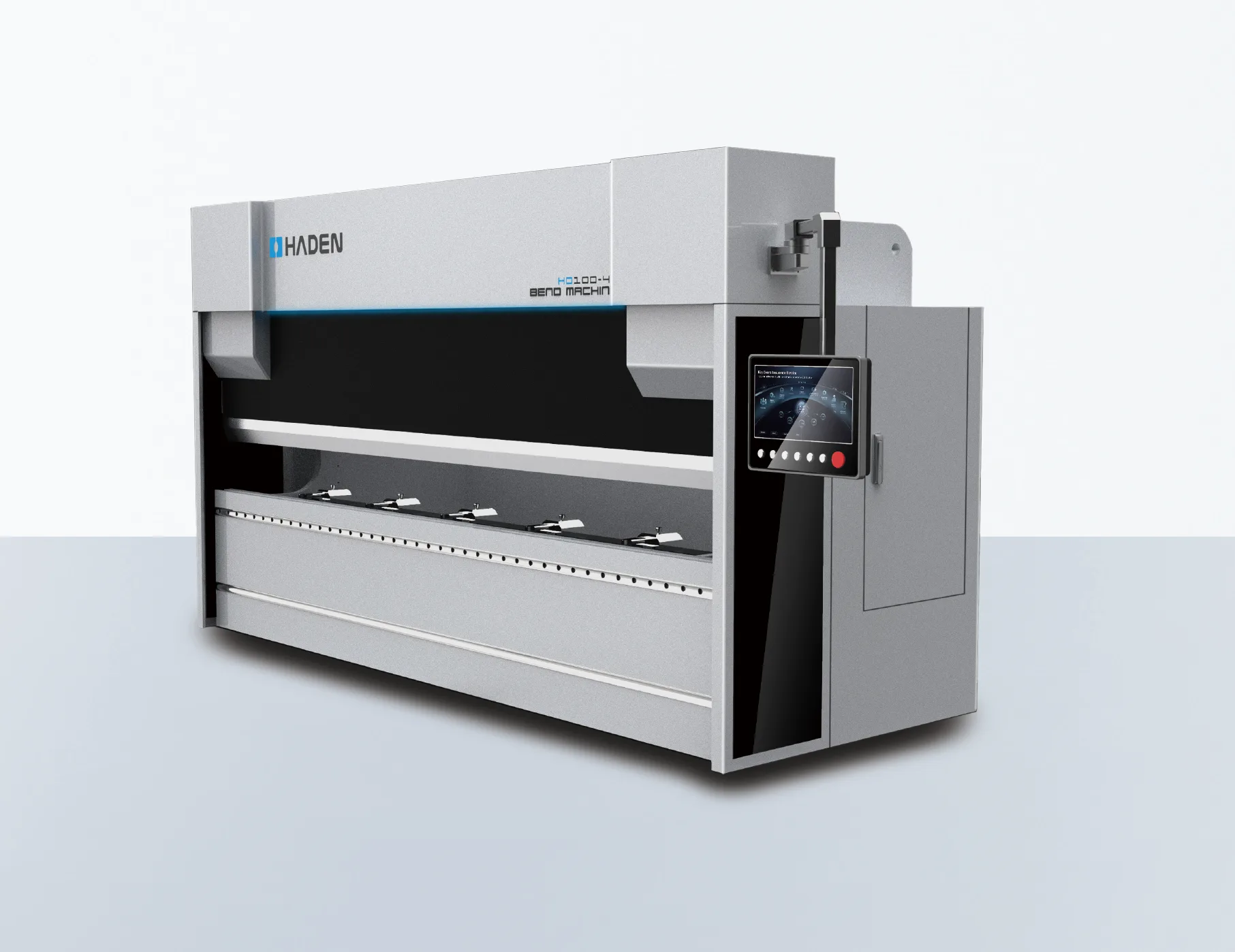
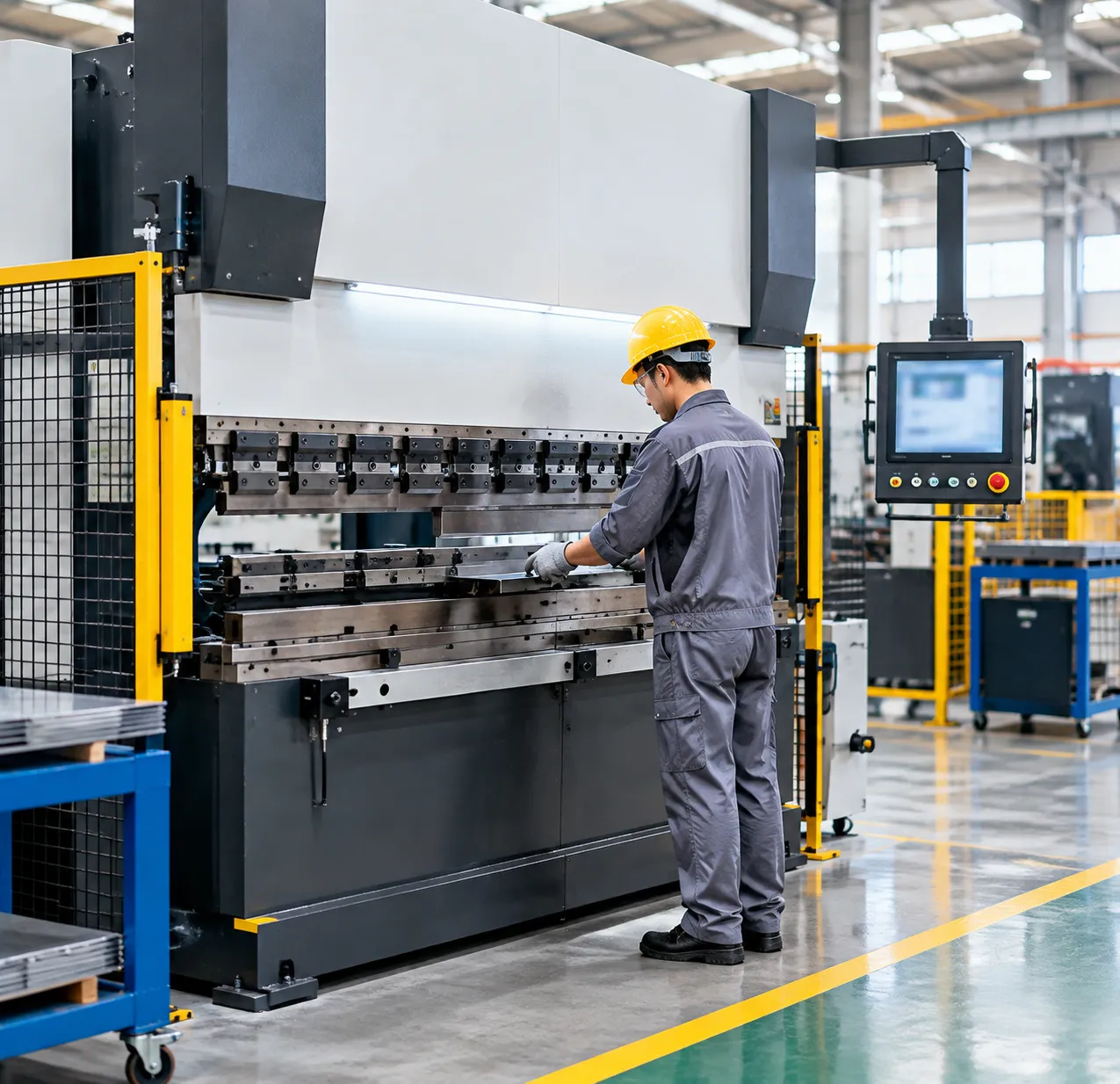
A small CNC press brake—often referred to as a mini CNC press brake—is a compact, high-precision sheet metal bending machine engineered specifically to produce accurate bends on small-to-medium workpieces. Instead of tying up a massive, high-tonnage machine for palm-sized parts, these units deliver computer-controlled accuracy in a fraction of the floor space.
Definition and Core Functions of Mini CNC Bending Machines
At its core, a mini CNC bending machine automates the metal forming process via dedicated numerical control software. Key functions include:
-
- Multi-Axis Ram Control: Precise synchronization of the Y1 and Y2 cylinders ensures uniform depth and angle accuracy along the entire bend line.
- Automated Backgauge Positioning: High-speed ball screw backgauges (X and R axes) rapidly position small sheet blanks to sub-millimeter tolerances.
- Graphic CNC Programming: Intuitive touchscreen controllers calculate bend allowances, flange dimensions, and tooling sequences on the fly.
- Rapid Tool Clamping: Standardized punch and die interfaces allow fast tooling swaps between short production batches.
How Small CNC Press Brakes Differ from Industrial-Sized Machines
Large industrial press brakes are built to handle long, thick plates, but they come with heavy energy costs, expansive footprint requirements, and slower cycle times. A compact CNC bending machine shifts the focus toward agility, speed, and tight tolerances.
| Feature | Small / Mini CNC Press Brake | Heavy Industrial Press Brake |
|---|---|---|
| Typical Bending Force | 20T to 40T | 100T to 500T+ |
| Bed Length | 800 mm to 1600 mm | 3000 mm to 6000 mm+ |
| Footprint | Compact, fits tight shop floors | Requires extensive dedicated bay space |
| Cycle Speed | Fast approach and return speeds | Slower approach due to high moving mass |
| Energy Consumption | Low (servo or on-demand hydraulics) | High continuous power draw |
| Ideal Workpiece Size | Brackets, enclosures, electronics hardware | Large chassis, architectural panels, structural parts |
By deploying a machine tailored specifically for smaller profiles, our factory setups eliminate the bottlenecks caused by running tiny jobs on oversized machinery. This streamlined approach maximizes throughput, slashes power consumption, and provides the exact bending precision small components demand.
Key Benefits of Choosing a Mini CNC Press Brake
For small-scale fabricators, prototype labs, and specialized production cells, investing in a compact unit transforms daily operations by solving the three biggest bottlenecks: floor space, part precision, and operating overhead.
Space-Saving Design for Workshops and Garages
Heavy industrial machinery demands massive foundations and dedicated floor areas. In contrast, a mini CNC press brake fits comfortably into tight workshop layouts, educational labs, or garage-based businesses.
Minimal footprint: Occupies a fraction of standard machine space, allowing easy placement in cellular manufacturing setups.
Plug-and-play installation: Easy to relocate with a standard pallet jack or forklift without major facility alterations.
Ergonomic workstation: Puts the CNC controller, tooling, and backgauge within arm's reach of a single operator.
High Precision and Repeatability for Small Metal Parts
Bending small brackets, electronic enclosures, and hardware on an oversized machine often leads to inconsistent angles and handling hazards. Our compact units are optimized for delicate work:
Micron-level backgauge positioning: High-precision ballscrews and linear guides deliver ±0.01 mm repeatability.
Dedicated tooling interface: Optimized tooling clamping prevents deflection on thin sheet metals.
Flawless angle consistency: Delivers reliable results whether bending mild steel, brass, or aluminum, making it the best CNC press brake for precision metal forming in tight-tolerance production.
Energy Efficiency and Reduced Operational Costs
Running a 100-ton hydraulic press to bend a 2-inch bracket wastes energy and creates excess heat. Choosing a modern small CNC press brake China factory design cuts these expenses immediately:
| Operational Feature | Standard Industrial Brake | Mini CNC Press Brake |
|---|---|---|
| Power Consumption | High continuous draw (large pump/motor) | On-demand servo or small-displacement system |
| Setup & Tonnage | 60T – 200T+ (Excessive for small jobs) | 20T – 40T (Targeted to part size) |
| Floor Footprint | Large industrial foundation required | Compact benchtop or standalone footprint |
| Operating Cost | High fluid, power, and maintenance fees | Low power usage and fast tool changeovers |
By selecting an energy-efficient drive system, you minimize electric draw and lower total ownership costs, as outlined in our electric press brake cost and price guide. As a direct mini CNC press brake manufacturer, we design these compact systems to cut your cost per part while keeping cycle times fast.
How to Select the Right Small CNC Press Brake

Choosing the best compact machine comes down to matching your part dimensions with machine capabilities.
Evaluating Bending Force and Tonnage Requirements
Tonnage directly dictates the material type, thickness, and bend radius your machine can process. Most small-part fabrication requires far less force than conventional yard-sized machinery.
-
- Typical Range: Small CNC press brake units typically operate between 20 to 40 tons of bending force.
- Material Consideration: Mild steel bends easily, but if you work with stainless steel, factor in roughly 50% more tonnage to achieve a clean V-bend without straining the drive system.
- Safety Margin: We always recommend sizing your machine with a 20% safety margin above your maximum anticipated load to extend tool and frame life.
Understanding Bending Length and Material Thickness Capacity
A mini CNC press brake is optimized for narrow profiles, brackets, and compact enclosures. Table length must balance your common workpiece dimensions against your available shop footprint.
| Machine Class | Typical Tonnage | Table / Bending Length | Max Mild Steel Thickness |
|---|---|---|---|
| Mini Desktop / Compact | 20T – 30T | 800 mm – 1000 mm | Up to 3.0 mm |
| Small Shop Standard | 30T – 40T | 1000 mm – 1600 mm | Up to 4.0 mm |
Selecting the right stroke depth and backgauge travel ensures your operators can handle tight flanges and multi-stage bends without running out of clearance.
Controller Features: Ease of Use and Programming Capabilities
The CNC unit is the brain of your bending operation. An intuitive interface shortens setup times, cuts scrap rates, and reduces reliance on highly experienced operators.
-
- Graphical Touchscreens: Look for controllers that offer intuitive 2D graphic programming and automatic bend-sequence calculation.
- Axis Control: A standard 3+1 axis setup (Y1, Y2, X, plus crowning) handles common profiles. For complex geometries, stepping up to advanced setups like our 6-axis CNC press brake bending machine delivers unmatched backgauge positioning for intricate jobs.
- Program Storage: USB and network connectivity allow you to export offline CAD drawings directly to the machine, keeping production runs swift and repeatable.
Top Applications for Mini CNC Press Bending
In our daily shop floor operations, we see how a mini CNC press brake handles specialized bending jobs that big, heavy equipment simply slows down. When you do not need 200 tons of force across a 10-foot bed, a compact CNC bending machine lets us set up jobs in minutes, cycle parts rapidly, and maintain extreme accuracy on tight-tolerance work.
Whether you are looking at a small CNC press brake for sale to expand your fabrication line or setting up a dedicated production cell, here are the core sectors where these agile machines deliver the biggest return.
Prototyping and Small-Batch Production Runs
Speed is everything during prototype development and short runs. Firing up a massive hydraulic rig for 10 or 20 test parts burns power, ties up primary floor space, and slows down your operators.
-
- Fast Tooling Setups: Quick-clamping tooling systems allow our operators to swap punch and die profiles in under two minutes.
- On-the-Fly Angle Corrections: Our CNC controllers let us program bend sequences directly on the screen, simulate flanges, and dial in angles on the very first part.
- Low Setup Waste: High backgauge repeatability ensures you do not waste expensive prototype blanks trying to hit your first clean 90-degree bend.
For small, rapid cycles that require pure repeatability, utilizing a compact electric press brake 40 ton for precise metal bending keeps cycle times tight and prototype turnarounds lightning fast.
Custom Metal Fabrication and Specialty Hardware
Custom shops and high-end fabrication studios rely on mini CNC press brake technology for complex, detailed sheet metal components. These machines excel at intricate geometry where large rams and wide punch holders physically get in the way.
-
- Tight Flange Clearing: Compact machine throat depths and narrow lower tables let you make close return bends without workpiece collision.
- Varied Metal Types: We easily switch between thin-gauge cold rolled steel, decorative brass, and 1.5 mm to 3 mm aluminum without marring surface finishes.
- Precision Enclosures: Ideal for custom chassis, faceplates, robotic frames, and custom architectural accents where every seam must fit tightly.
Electrical Cabinet and Small Bracket Manufacturing
High-volume production of small sheet metal parts is the bread and butter of our compact machines. As a precision CNC press brake supplier and direct manufacturer, we engineer our small CNC press brake units specifically for the electrical and hardware industries.
-
- Internal Electrical Mounts: DIN-rail brackets, cable management clips, and power supply mounts require rapid, accurate 3-axis bending with consistent corner radii.
- Control Box Panels: Mini press brakes easily form small junction boxes, push-button enclosures, and access covers with clean, square hems and tabs.
- Reinforcement Stiffeners: Punching out high quantities of structural Z-brackets and L-brackets at rapid ram speeds keeps per-unit manufacturing costs at absolute minimums.
Sourcing a Small CNC Press Brake from China
Sourcing directly from an established manufacturing plant gives you high-end performance without the heavy brand markup. Over the past decade, Chinese production hubs have matured into the primary supply chain for compact sheet metal machinery, delivering rigid frames, dependable CNC controls, and tight machining tolerances at competitive rates.
Why China Leads in Mini CNC Press Brake Manufacturing
China has built an unmatched industrial supply ecosystem for machine tools. When you order from a specialized factory, you benefit from:
-
- Complete component integration: Quick access to optical linear encoders, high-response servomotors, precision ball screws, and standard European-style clamping systems.
- Direct factory pricing: Cutting out regional brokers gives you better value on a machine built for daily production.
- Flexible customization: A dedicated small electric press brake manufacturer in China can easily modify throat depth, backgauge stroke, and tooling packages to match your specific parts.
Quality Control Standards to Check Before Ordering
To make sure your machinery operates reliably right off the shipping pallet, always verify the manufacturer's testing and quality protocols:
-
- Frame stress relief: Confirm that the welded machine frame undergoes thermal tempering or shot blasting to prevent long-term distortion.
- Multi-axis repeatability tests: Ensure the factory tests ram parallelism (Y1/Y2) and backgauge accuracy (X/R axes) using dial indicators and laser calibration.
- Pre-shipment dry runs: We mandate continuous dry runs and bend tests under real tonnage using your specific sheet thickness before crating.
- Component brands: Look for recognized international or top-tier domestic electrical components (such as Schneider electronics and high-grade servo drives) for hassle-free long-term maintenance.
Trade Terms and Factory Shipping Logistics
Getting a compact bending machine from our factory floor to your workshop requires clear logistics planning:
-
- Incoterms (FOB vs. CIF vs. DDP):
- FOB (Free on Board): You manage ocean freight and customs through your own freight forwarder.
- CIF (Cost, Insurance, and Freight): We handle ocean shipping to your nearest port, and you arrange local clearance.
- DDP (Delivered Duty Paid): The simplest turnkey option where the factory handles freight, tariffs, customs clearance, and delivery right to your shop door.
- Sea freight packaging: Because precision scales and electric controls dislike moisture, every unit is wrapped in anti-rust film, vacuum-sealed, and bolted inside a solid, fumigated wooden crate suitable for LCL (Less than Container Load) or standard container shipping.
- Ready-to-run setup: If you are eyeing a dedicated 25-ton mini electric press brake for sale, we ship it pre-wired and pre-calibrated, so you simply anchor the base, connect power, calibrate your tooling, and start bending.
Maintenance Tips for Your Mini CNC Press Brake
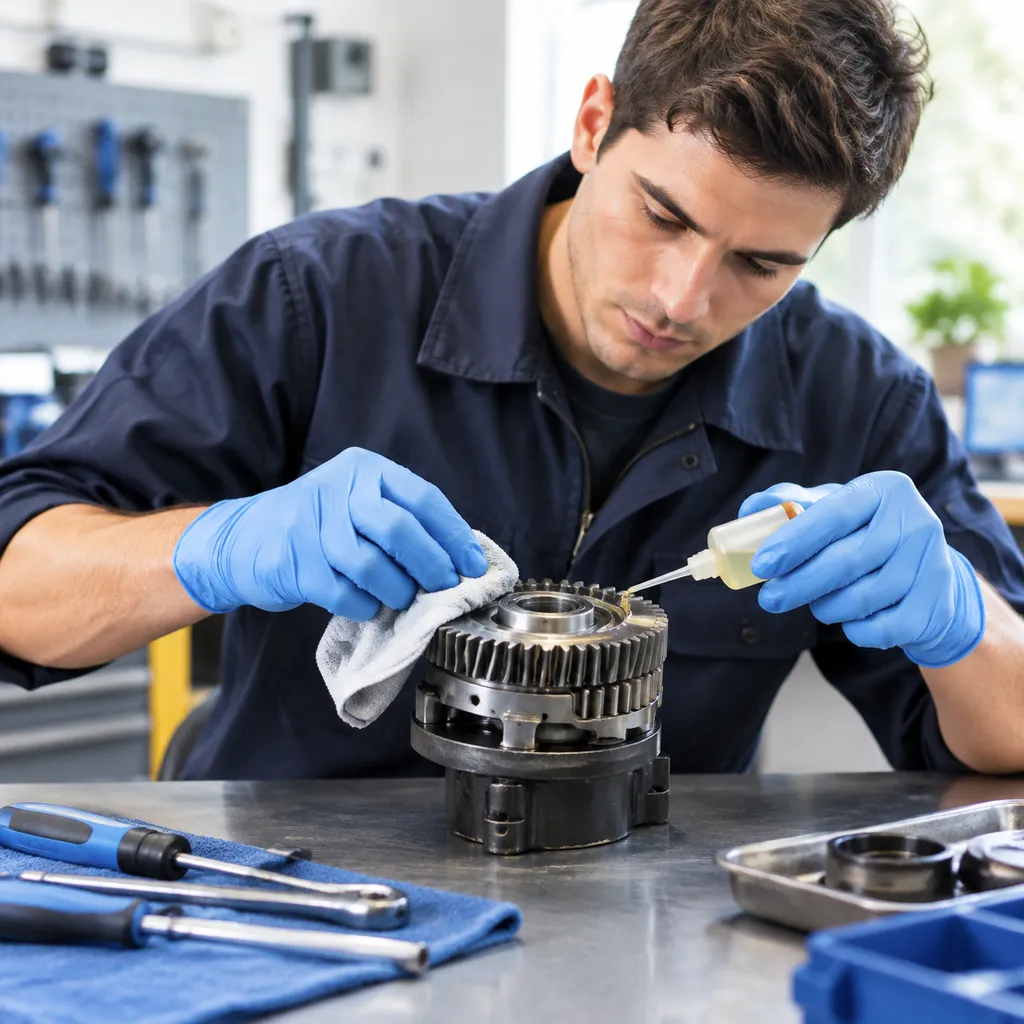
Daily Cleaning and Lubrication Routines
Metal dust, scale, and shop debris are the main enemies of machine accuracy. Establishing a quick daily routine keeps your small CNC press brake running smoothly:
-
- Wipe Down Critical Surfaces: Clear away metal shavings and debris from the bed, guide rails, and clamping bars at the start and end of every shift.
- Lubricate Linear Guides and Ball Screws: Ensure the X- and R-axis backgauge rails receive clean grease or oil as specified in the service manual. Dry rails cause micro-stutters and positioning drift.
- Clean Optical Scales and Encoders: Gently wipe down the linear glass scales or magnetic encoders using a lint-free cloth. Dust buildup leads to false position readings and uneven ram depth.
Common Troubleshooting for Hydraulic and Electric Systems
Whether your machine runs electro-hydraulic valves or pure electric drives, most common operational issues trace back to a few key checkpoints:
-
- Hydraulic Pressure Loss: If a small hydraulic press brake fails to hold tonnage or drifts mid-cycle, check the hydraulic oil level, filter cleanliness, and proportional valve seals. Contaminated oil causes sticking valves and erratic ram movement.
- Drive and Motor Alarms: For fabricators operating high-speed servo electric press brakes, motor fault codes usually stem from belt tension issues, power voltage fluctuations, or improper electrical grounding. Inspect drive belts for slack and ensure cables remain secure.
- Backgauge Calibration Errors: If your flange dimensions drift out of tolerance, re-home the backgauge axes through the CNC controller. Check the stop fingers for mechanical looseness or physical impacts from previous bends.
When to Replace Punches and Dies
Your mini press brake tooling system directly dictates bending precision. Even minor tool damage affects final part angles:
-
- Visible Tip Wear: Check the punch tip radius regularly. If the tip shows flat spots, grooving, or rounding beyond original factory tolerances, replace or regrind it immediately.
- Chipped V-Die Shoulders: Heavy cycle runs on hard materials like stainless steel can roll or chip the entry shoulders of bottom dies. Chipped edges create surface scratches and unstable bend centers.
- Angle Variation Across Parts: When the machine applies the exact same tonnage and stroke depth but delivers inconsistent bend angles, worn tooling is almost always the cause. Swap out mismatched sections to restore tight part tolerances.
Frequently Asked Questions (FAQs)
What is the smallest sheet metal thickness a mini press brake can handle?
A standard mini CNC press brake handles thin sheet metal down to 0.5 mm with standard tooling, and can reach down to 0.2 mm or 0.3 mm using high-precision ground punches and micro-V dies. The key lies in precise ram positioning and optical scale feedback, which allow our compact bending machines to form delicate electronic shielding or instrument parts without pinching or cracking the material.
Can a small CNC press brake be used for stainless steel?
Yes. Bending stainless steel requires about 50% more tonnage than standard mild steel, meaning you must factor in material yield strength when matching parts to machine capacity. As a specialized mini CNC press brake manufacturer china, we engineer our rigid C-frame and O-frame small machines with tonnages ranging from 20 to 40 tons, enabling you to bend 1 mm to 3 mm stainless brackets and chassis parts cleanly with zero frame distortion.
How does an electric press brake compare to a hydraulic one for small parts?
For precision small-part production, an all-electric servo electric motor press brake offers distinct advantages over traditional hydraulic systems:
Higher Speed & Accuracy: Direct belt or ball-screw servo drives deliver faster cycle times and micron-level stop accuracy.
Energy Savings: Motors consume electricity only during the actual bending cycle, cutting idle power draw.
Zero Fluid Maintenance: No hydraulic oil means no leaks, filter changes, or thermal drift in tight workshop spaces.
Low Noise: Near-silent operation makes electric models ideal for cellular fabrication cells.
If you need higher tonnage at a lower initial investment, a compact electro-hydraulic system from our versatile press brake solutions remains a reliable workhorse for mixed job-shop duties.
Is it easy to find spare parts for a Chinese-made CNC press brake?
Yes, provided you partner with a professional small CNC press brake factory china that builds machines to international standards. Reliable manufacturers configure these units with globally available, off-the-shelf components, including:
Standardized tooling interfaces (such as European/Promecam-style clamping)
Schneider or Siemens electrical components
Renowned CNC controllers (such as Delem, Cybelec, or ESA)
Standard linear guides, ball screws, and optical encoders
This design approach ensures you can source routine wear components locally or receive fast direct-from-factory replacements without prolonged production downtime.