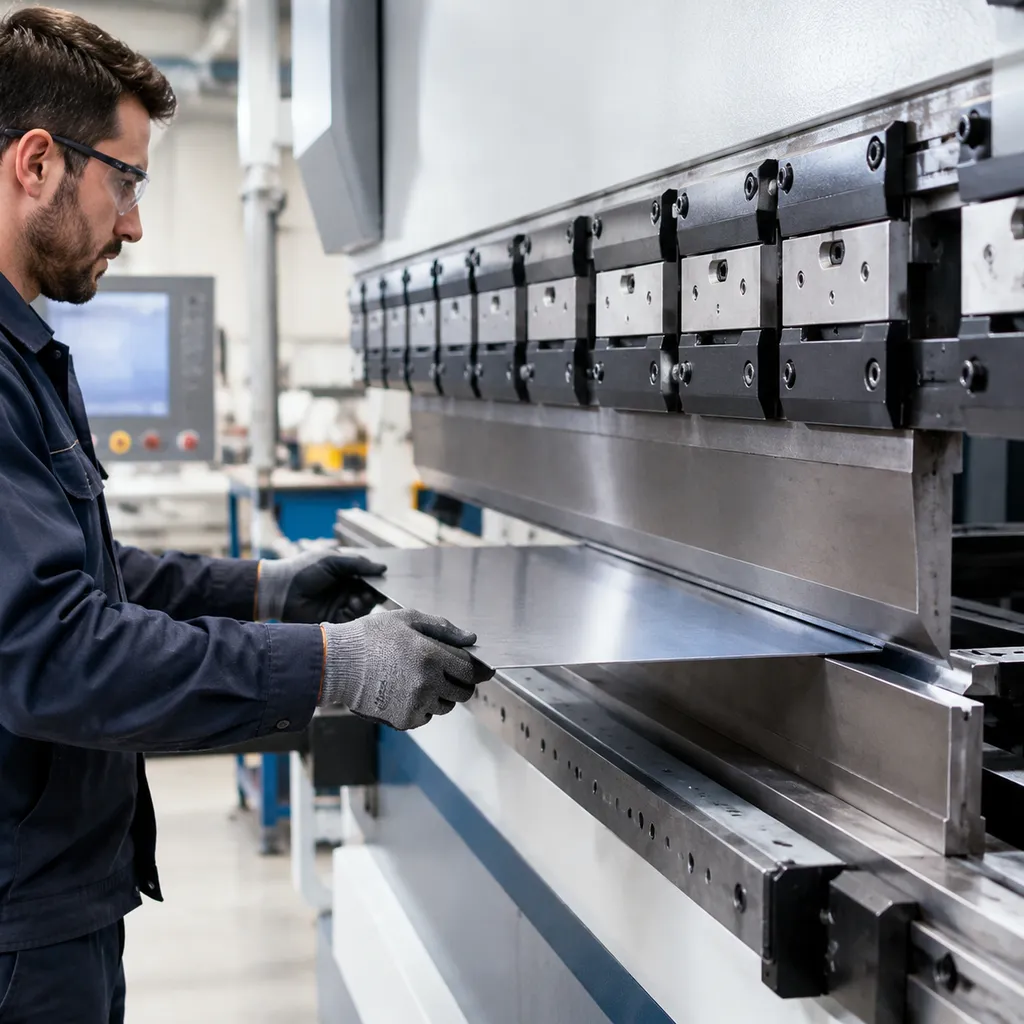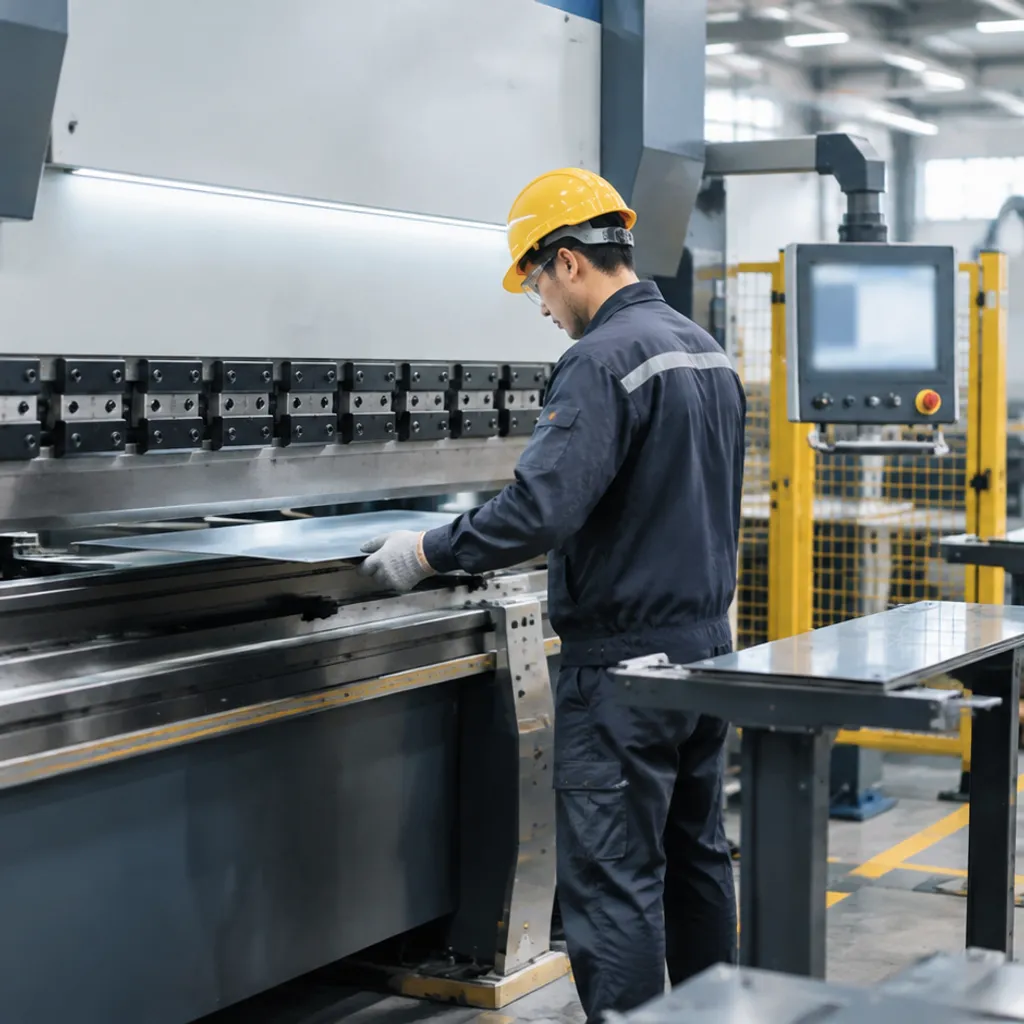
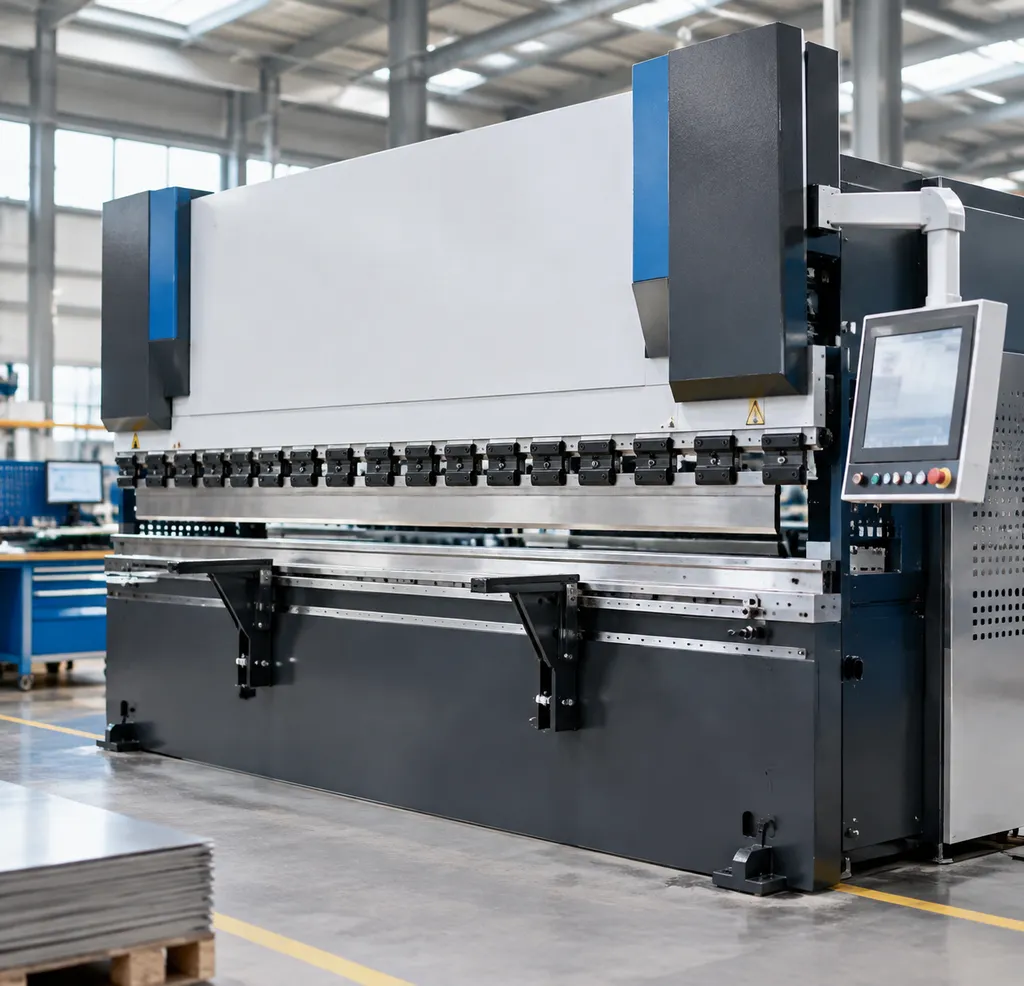
Key Factors to Choose the Best CNC Press Brake
Selecting the right equipment for precision sheet metal bending requires balancing production capacity with long-term mechanical reliability. Our approach to identifying the best CNC press brake focuses on technical parameters that directly impact your daily shop floor output.
Essential Evaluation Criteria
To ensure your investment meets industrial standards for accuracy and throughput, consider the following technical pillars:
-
- Tonnage and Bed Sizing: Accurate press brake tonnage calculation is the foundation of quality bending. You must select a machine that matches your material thickness and tensile strength while accounting for the maximum bend length required for your operations.
- Backgauge Flexibility: A high-performance backgauge positioning system must offer multi-axis capability. This ensures precise part orientation and rapid adjustment, which are critical for complex, multi-bend components.
- Ram Synchronization: Superior Y1-Y2 hydraulic synchronization is mandatory for consistent ram parallelism. This feature dictates your sheet metal bending accuracy across the entire length of the bed.
- Crowning Systems: To compensate for bed deflection, integrate mechanical or hydraulic dynamic crowning systems. This ensures a consistent bend angle regardless of the material properties or load.
Technical Performance Matrix
| Feature | Impact on Production |
|---|---|
| Tonnage Calculation | Prevents machine overload and tool damage |
| Multi-Axis Backgauge | Reduces setup time for complex geometries |
| Y1-Y2 Synchronization | Ensures uniform bend angles across the beam |
| Dynamic Crowning | Eliminates variations in bend angle due to deflection |
By focusing on these core mechanical specifications, you can maintain high levels of repeatability in your precision metal parts manufacturing processes while minimizing scrap rates. Always prioritize a frame design that offers high rigidity to withstand the forces generated during heavy-duty operation.
Drive System Comparison: Hydraulic vs. Servo-Electric
When evaluating the best CNC press brake for your shop, the choice between hydraulic and servo-electric drive systems significantly impacts your operational costs and output quality. We find that the trade-off usually centers on energy efficiency, maintenance requirements, and overall production speed.
Hydraulic systems remain the industry standard for heavy-duty applications due to their raw power. However, servo-electric press brakes are gaining ground by eliminating oil waste and reducing energy consumption during idle periods. If you are comparing electric press brake cost and price, consider that while initial investment for servo units is higher, the long-term savings on hydraulic maintenance—like oil changes, seal replacements, and thermal stabilization—often balance the ledger.
| Feature | Hydraulic Press Brake | Servo-Electric Press Brake |
|---|---|---|
| Energy Usage | Continuous (motor runs during idle) | On-demand (active during bend) |
| Bending Speed | Moderate to Fast | High |
| Thermal Stability | Heat generation requires cooling | Minimal heat buildup |
| Maintenance | Higher (seals, oil, valves) | Lower (mechanical focus) |
| Duty Cycle | Ideal for heavy, constant load | High-speed, repetitive tasks |
The decision often comes down to your shop's specific workflow. High-mix, low-volume fabrication shops often prefer the flexibility and lower maintenance overhead of servo-electric machines. Conversely, shops focusing on heavy structural components often rely on the proven, high-tonnage capacity of hydraulic systems. Regardless of the type, we emphasize that machine rigidity and Y1-Y2 synchronization are the true benchmarks of a high-performance CNC press brake machine. Reducing your hydraulic maintenance overhead requires a commitment to a strict preventative schedule, whereas servo units offer a "cleaner" shop floor environment with faster cycle times.
CNC Controller Capabilities for Peak Shop Floor Efficiency
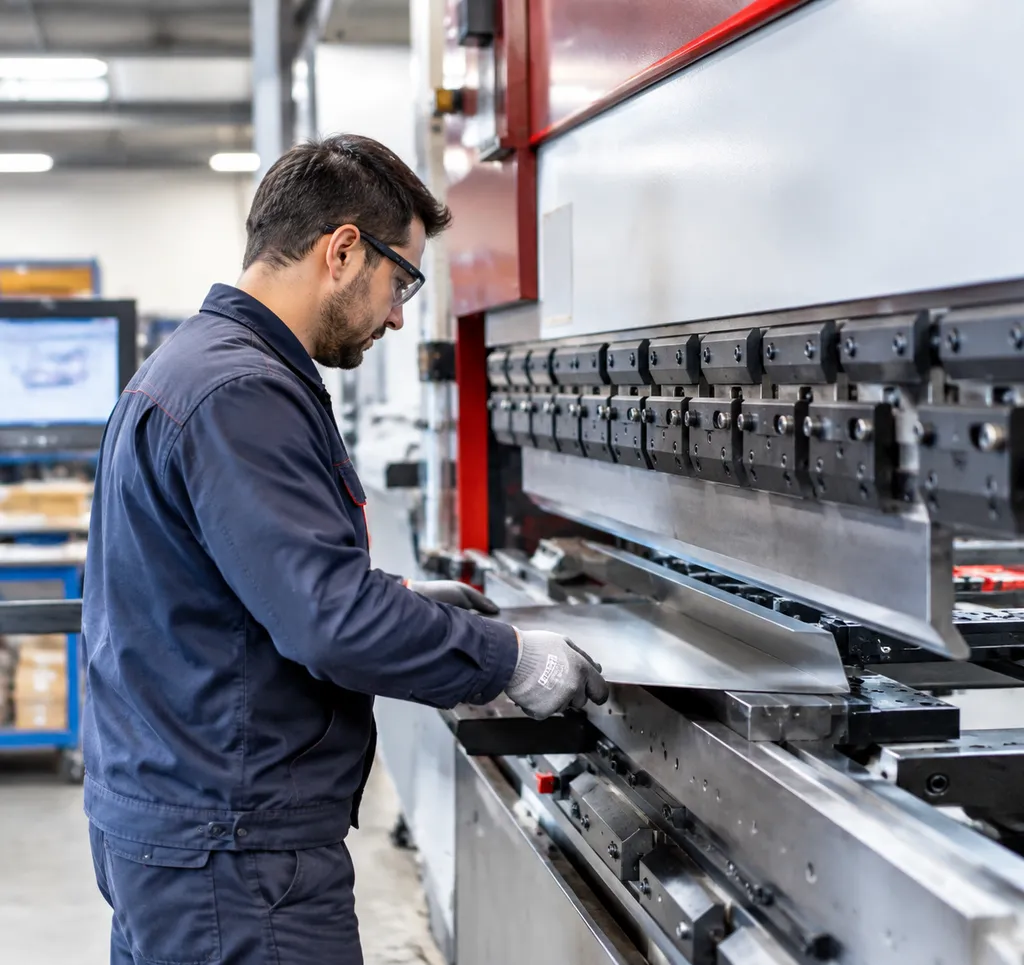
Offline 3D Simulation with Delem and Cybelec Interfaces
Modern industrial fabrication relies heavily on proven controllers such as the Delem CNC system (DA-66S, DA-69S) and Cybelec interfaces.
-
- Collision detection: The software runs full 3D visual checks against the tooling, backgauge fingers, and side frames before the ram moves.
- Bend sequence optimization: Algorithms automatically calculate the most efficient bending order to prevent part flipping and reduce cycle times.
- Realistic workpiece rendering: Operators view step-by-step 3D rotations on the touchscreen, eliminating misread drawings and inverted bends.
Error Prevention and Scrap Rate Reduction
Trial bends waste valuable sheet metal. Advanced controllers eliminate trial-and-error adjustments by combining material springback algorithms with dynamic axis controls.
-
- Material property databases: The controller recalculates Y-axis depth based on programmed tensile strength, grain direction, and exact sheet thickness.
- First-part accuracy: Our manufacturing and setup protocols align with rigorous quality and testing procedures to ensure controller-simulated angles hit physical design tolerances on the very first strike.
- Live diagnostics: Real-time sensor feedback flags machine anomalies, preventing expensive part damage and protecting hydraulic systems from tonnage overloads.
CAD/CAM Workflow Integration and Tool Library Management
Connecting the machine to the shop's broader network ensures seamless part transitions from engineering to final production:
| Feature | Operational Benefit | Shop Floor Impact |
|---|---|---|
| Direct STEP/DXF Import | Unfolds 3D CAD models directly into flat blanks with bend lines. | Eliminates manual data entry at the machine terminal. |
| Digital Tool Libraries | Stores profiles, tonnage limits, and wear metrics for standard punches and dies. | Prevents tool overloading and speeds up job changeovers. |
| Connected CAM Workflow | Pushes finalized bend programs over Ethernet directly to the controller. | Maximizes overall metal fabrication efficiency across mixed-batch runs. |
Tooling Selection and Quick-Change Clamping Systems
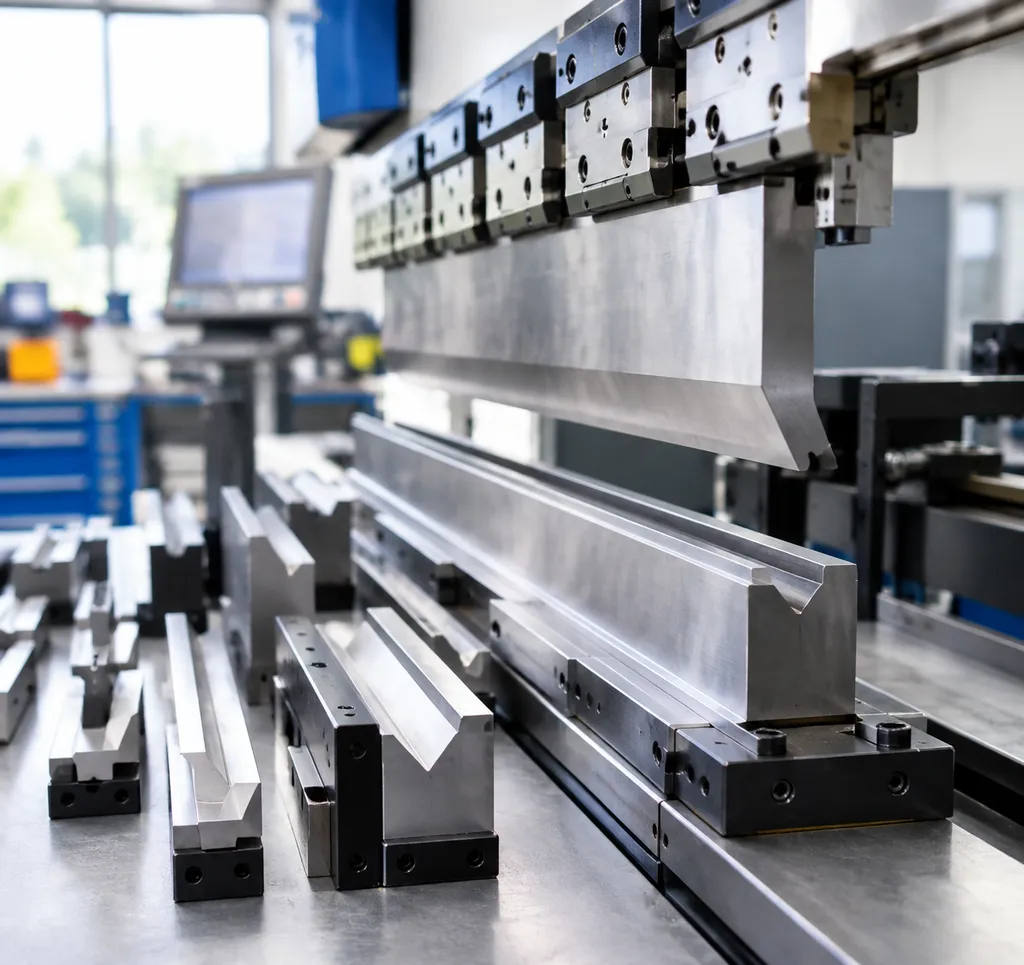
Choosing the right press brake tooling selection is fundamental to achieving consistent bend angles. We see many shops struggle with compatibility issues when switching between European-style and American-style precision-ground tooling. Our machines are designed to support industry-standard tooling configurations, ensuring you have the flexibility to integrate high-quality punches and dies without costly modifications.
Efficiency on the shop floor often comes down to setup time. When comparing clamping mechanisms, we prioritize:
-
- Hydraulic Quick-Clamping: This system allows for rapid tool changes, significantly reducing machine downtime during job transitions.
- Manual Mechanical Clamping: While a traditional choice, it requires more operator effort and time, which can impact overall throughput in high-mix environments.
- Wear Resistance: For high-tensile sheet metal bending, we recommend utilizing induction-hardened tools. This choice directly extends the lifespan of your tooling and maintains bending accuracy even when processing tough, abrasive materials.
By standardizing your press brake tooling and utilizing modern hydraulic clamping, you can effectively eliminate bottlenecks and improve the reliability of your bending cycles.
Machine Safety Compliance and Operational Reliability
When selecting the best CNC press brake, safety and reliability are our primary non-negotiables for high-speed production environments. Protecting the operator is built into our workflow through integrated optical laser guarding systems, which monitor the bending zone in real-time to meet strict global safety standards. These systems effectively prevent accidents without compromising the speed of your production cycle.
A machine’s performance is only as good as its foundation. We prioritize frame rigidity to ensure the machine maintains structural integrity under extreme force. When evaluating a unit, consider these critical factors:
-
- Throat Depth: Adequate clearance is essential for handling complex, deep-formed parts without interference during the bending process.
- Frame Construction: High-strength, stress-relieved steel frames minimize deflection and maximize sheet metal bending accuracy even under maximum tonnage loads.
- Operational Longevity: We focus on the availability of long-term spare parts to minimize downtime. Reliable preventative maintenance schedules are the best way to extend the service life of your hydraulic systems and keep your shop floor productive.
By choosing equipment with robust engineering, you ensure that your investment in industrial metal forming equipment remains a dependable asset for years to come. Consistency in day-to-day operations relies on a machine that balances raw power with precise, safety-focused control.
Frequently Asked Questions About the Best CNC Press Brake
When sourcing the best CNC press brake for your facility, understanding the practical variables of machine operation is essential for long-term productivity. We address the most common concerns regarding capacity, programming, and maintenance below.
Tonnage Requirements and Material Thickness
Tonnage capacity is determined by the material type, thickness, and die opening. A standard rule of thumb is to calculate the force required per foot of bend. For heavy-duty applications, we recommend reviewing options like our 400 ton press brake for heavy-duty metal forming to ensure your frame can handle the pressure without deflection. Always account for a safety margin to avoid running your machine at its absolute maximum capacity.
Offline 3D Programming and Scrap Reduction
Offline 3D software allows you to simulate the entire bending sequence before a single sheet of metal touches the die. This identifies potential collisions between the workpiece and the machine frame early in the process. By perfecting the bend sequence virtually, you significantly minimize test bends, reduce scrap rates, and maximize the throughput of your CNC hydraulic press brakes.
Evaluating Servo-Electric vs. Hydraulic Systems
While a servo-driven press brake often carries a higher upfront cost, it delivers substantial long-term savings through lower energy consumption and reduced maintenance needs. Machines like our 25 ton mini electric press brake for sale provide high-speed cycling and precise repeatability that can justify the investment for high-volume, precision-oriented shops. Hydraulic machines remain the standard for high-tonnage requirements, whereas servo systems excel in high-speed, light-to-medium gauge production.
Maintaining Hydraulic Synchronization Accuracy
Consistent Y1-Y2 axis repeatability relies on the integrity of your hydraulic system. To maintain accuracy:
Check Oil Levels and Quality: Regularly inspect hydraulic fluid for signs of contamination or thermal degradation.
Filter Maintenance: Replace hydraulic filters according to the manufacturer’s schedule to prevent valve clogging.
Seal Integrity: Monitor cylinders for any signs of leakage that could cause pressure drops between the two rams.
Calibration: Perform periodic checks on the electronic feedback scales to ensure the controller remains synchronized with the physical ram position.